What does gutter installation cost, which material should you choose, and can you do it yourself? Cost per foot, a free estimate calculator, a step-by-step DIY guide and the mistakes to avoid.
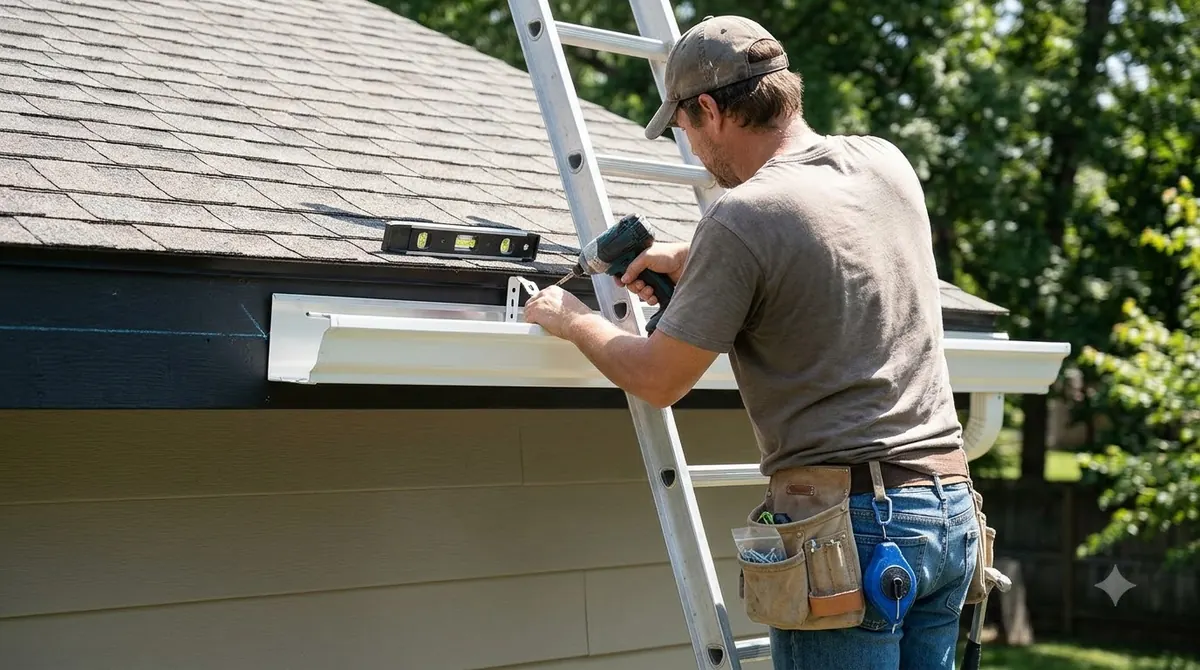
Gutter installation cost in the US is typically about $4 to $15 per linear foot installed for vinyl, aluminum and steel, and $25 to $50 per linear foot for copper (2026 price guides). A whole-house aluminum system of 150 to 200 feet often costs a few thousand dollars. DIY gutter installation saves labour and is realistic on single-storey homes with sectional gutters, if you get the slope (about 1/4 inch per 10 feet), hanger spacing and sealing right.
The cost to install gutters depends mainly on gutter length, material and labour. Most price guides quote a cost per linear foot, then add downspouts, corners and removal of old gutters.
Figure 1: Typical installed cost per linear foot by material. These are planning ranges from 2026 price guides and vary by region.
| Material | Installed cost per linear foot | Typical use |
|---|---|---|
| Vinyl | $4 - $8 | Budget and DIY; lightweight |
| Aluminum | $6 - $12 | Most popular; rust resistant |
| Seamless aluminum | $7 - $15 | Fewer leaks; usually pro-installed |
| Steel | $9 - $15 | Strong; needs rust protection |
| Copper | $25 - $50 | Premium; very long life |
Price guides disagree and several are low quality. Treat the ranges as a starting point and get at least three local written quotes. Figures are US dollars and mostly reflect the US market.
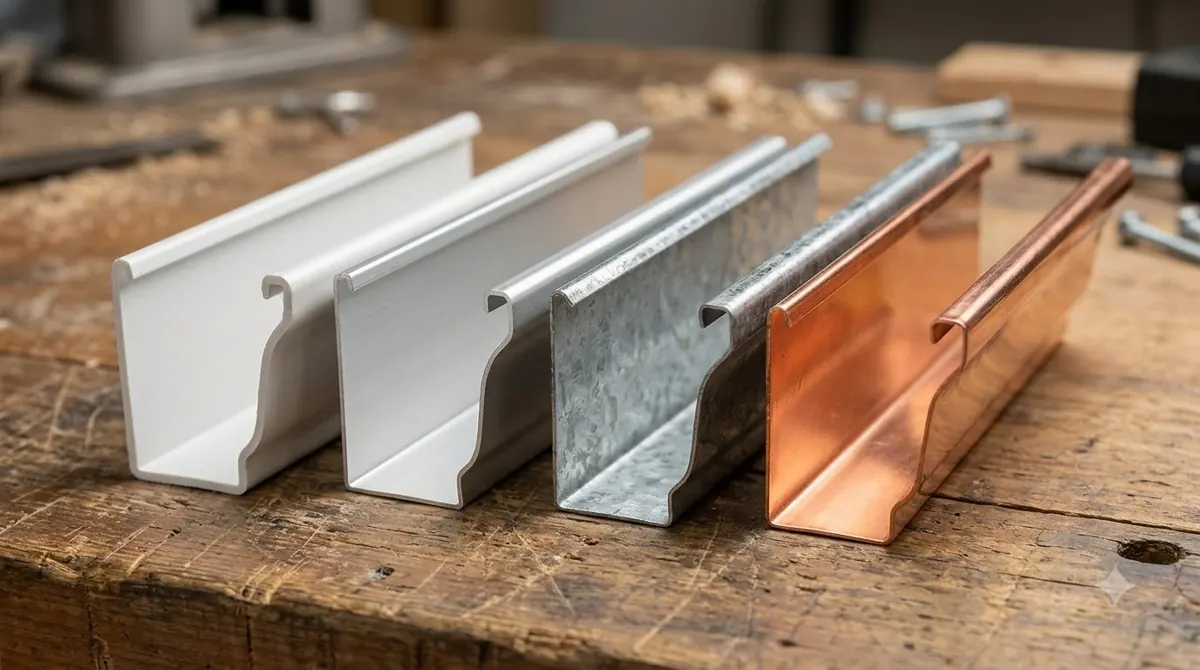
| Material | Pros | Cons | Best for |
|---|---|---|---|
| Vinyl | Cheapest, light, no rust, easy DIY | Can crack in cold or fade in sun; shorter life | Low budgets, mild climates |
| Aluminum | Light, rust resistant, many colours | Can dent; seams may leak if sectional | Most homes |
| Steel | Strong, handles ladders and snow | Rusts if the coating is damaged; heavier | Snowy or tree-heavy areas |
| Copper | Lasts decades, premium look | Very expensive; professional install | High-end homes |
Sectional gutters come in 10-foot pieces joined with connectors, so they are DIY-friendly but have more joints that can leak. Seamless gutters are formed on-site in one piece per run, so they leak less but need a roll-forming machine and a professional.
Enter your total gutter length and material to see a planning cost range and a quick parts count. Measure along the roof edge where gutters will run.
Cost range = length x the per-foot range in the table above. Downspouts, corners, guards, old gutter removal and fascia repairs can add to the total. Always check with local quotes.
| Factor | DIY | Professional |
|---|---|---|
| Cost | Materials and tools only | Materials plus labour |
| Best for | Single-storey, short, simple runs, sectional gutters | Two-storey, long runs, seamless gutters |
| Risk | Ladder falls, slope errors, leaks | Lower; usually includes warranty |
| Time | A weekend or more | Often a day |
| Tools | You buy or rent | Included |
Use a stable ladder on firm ground, keep three points of contact, never work near power lines and do not work alone or in wet or windy weather. If your house is two storeys or the roof is steep, hire a professional.
Figure 2: The main parts of a gutter system, from fascia to splash block.
Gutter sections, hangers or brackets, end caps, outlets, inside and outside corners, downspouts, elbows, downspout brackets, connectors, sealant and screws.
Ladder, tape measure, chalk line, level, drill and driver, tin snips or hacksaw, pop rivet gun, caulk gun, gloves and safety glasses.
Figure 3: The six DIY steps from measuring to testing with water.
Measure each roof edge, note corners and decide where downspouts go, usually at ends or corners, about one per 30 to 40 feet. Remove old gutters and check the fascia for rot.
Mark the high end under the drip edge, then drop about 1/4 inch per 10 feet toward the downspout. Snap a chalk line between marks.
Figure 4: Slope the gutter toward the downspout with about 1/4 inch drop per 10 feet.
Fasten hangers or brackets along the chalk line, about every 24 inches or closer in snowy areas, screwing into solid fascia or rafter ends.
Cut gutter sections to length with snips or a hacksaw, fit end caps and outlets, and join sections with connectors and sealant. Dry-fit before you fix.
Fit the outlet, elbows and downspout, then secure it with brackets. Extend discharge several feet away from the foundation.
Seal all joints and end caps, then run a hose at the high end. Check for leaks, standing water and sagging, and adjust.
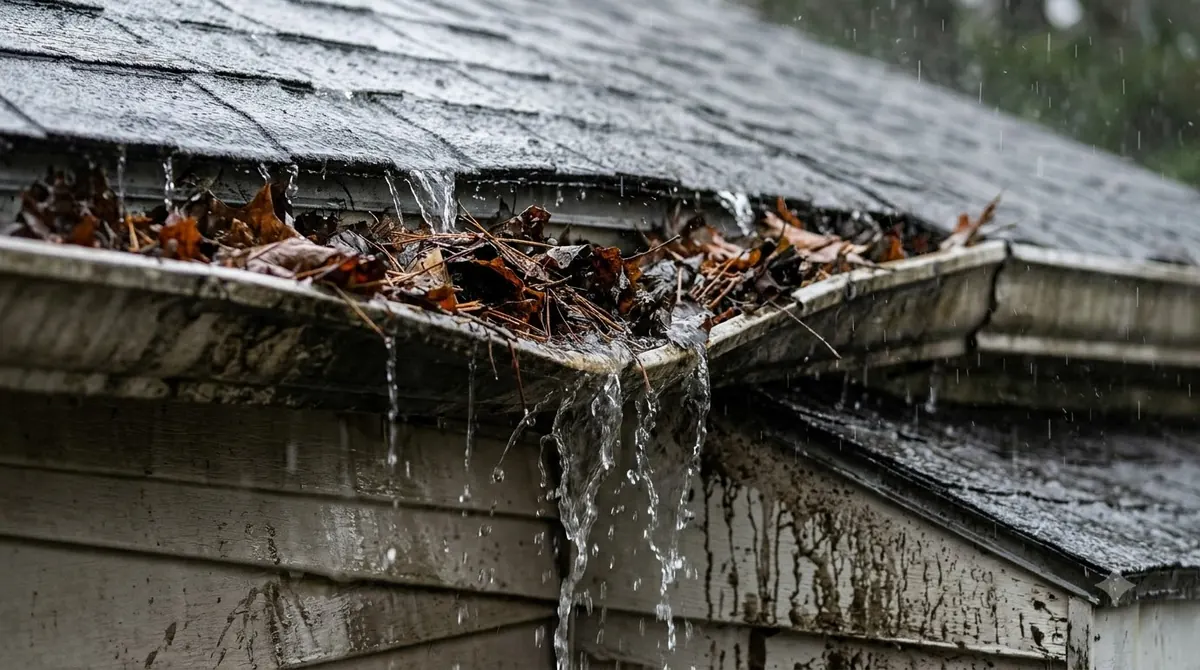
Figure 5: Common DIY mistakes and what they cause.
Clean gutters at least twice a year, more if you have trees. Check for sagging, leaks and loose hangers after storms, and flush downspouts with water to confirm they drain.
| Item | Key number |
|---|---|
| Cost per linear foot | $4 - $15 (vinyl, aluminum, steel); $25 - $50 (copper) |
| Slope | About 1/4 inch per 10 feet |
| Hanger spacing | About every 24 inches |
| Downspouts | About one per 30 - 40 feet |
In the US, gutter installation commonly costs about $4 to $15 per linear foot for vinyl, aluminum and steel, and $25 to $50 per linear foot for copper, based on 2026 price guides. For a typical home with 150 to 200 linear feet, a professional aluminum job often lands in the low-to-mid thousands of dollars. Local labour, roof height and the number of downspouts change the total, so get several written quotes.
Typical installed ranges are vinyl about $4 to $8, aluminum about $6 to $12, seamless aluminum about $7 to $15, steel about $9 to $15 and copper about $25 to $50 per linear foot. Sources differ, so treat these as planning ranges rather than a quote.
A common planning figure is a few thousand dollars for a whole-house aluminum system, with vinyl cheaper and copper far higher. The exact number depends on total gutter length, the number of corners and downspouts, stories and your area. Use the estimate calculator in this guide and then confirm with local quotes.
A good estimate lists gutter length and material, the number of downspouts, corners and end caps, hangers, old gutter removal and disposal, labour, and warranty. Ask for it in writing and check that fascia repairs, gutter guards and any permits are listed or clearly excluded.
Yes, sectional vinyl and aluminum gutters are popular DIY projects on single-storey homes if you are comfortable on a ladder and have a solid fascia. Seamless gutters need a roll-forming machine and are usually installed by professionals. Work safely, stay clear of power lines and use a helper.
DIY saves the labour cost, which is a large share of a professional quote, but you pay for materials, tools and your time, and mistakes such as wrong slope can cost more to fix. DIY makes the most sense for short, low, simple roof lines.
Aluminum is the most popular balance of cost, weight and rust resistance. Vinyl is the cheapest and easiest for DIY but can crack in extreme temperatures. Steel is strong but needs rust protection. Copper is long-lasting and premium priced. Choose by budget, climate and how long you plan to stay.
A common guideline is a drop of about 1/4 inch for every 10 feet of gutter, sloping towards the downspout. Too little slope leaves standing water; too much looks crooked and can cause overshoot in heavy rain.
A common rule of thumb is one downspout for every 30 to 40 feet of gutter, with one at each end of very long runs. Heavy-rain areas and large roof areas may need more or larger downspouts.
Standard residential gutters are 5 inches. A 6-inch gutter handles more water and suits large or steep roofs and heavy rainfall. Larger downspouts (such as 3 by 4 inches) increase drainage capacity.
Common mistakes include wrong slope, hangers spaced too far apart, undersized gutters or downspouts, not sealing joints, mixing different metals, fixing to rotten fascia and discharging water too close to the foundation. Each leads to leaks, sagging or water damage.
Lifespan depends on material and care. Many sources suggest roughly 20 years for aluminum and steel, a shorter life for vinyl and 50 years or more for copper, with regular cleaning extending the life of any system.